WILDLIFE & CONSERVATION
Felixstowe Ferry Golf Club is a wonderful place to play golf – it’s also great for wildlife.
explore our environment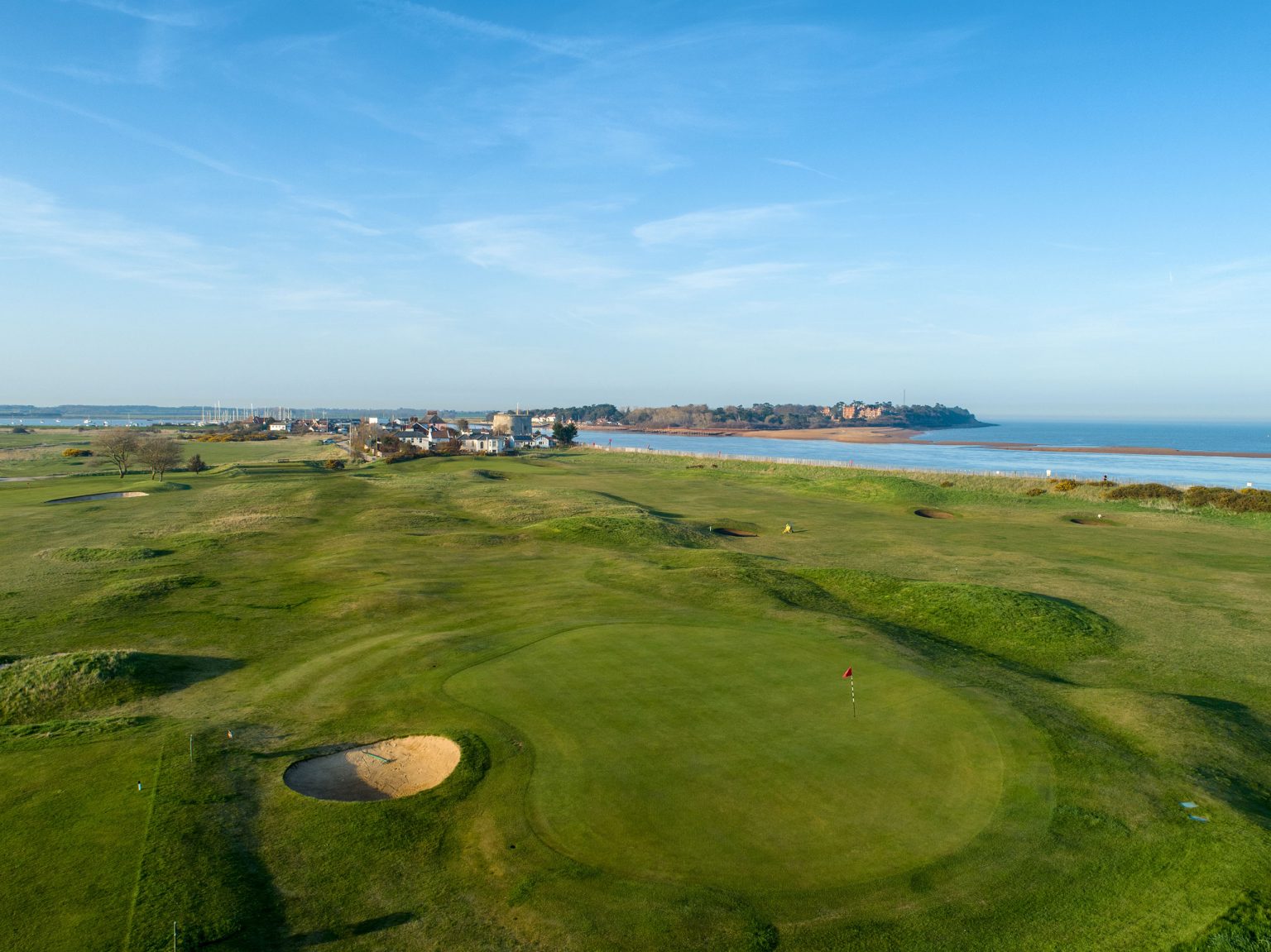
Felixstowe Ferry Golf Club is a wonderful place to play golf – it’s also great for wildlife.
explore our environment
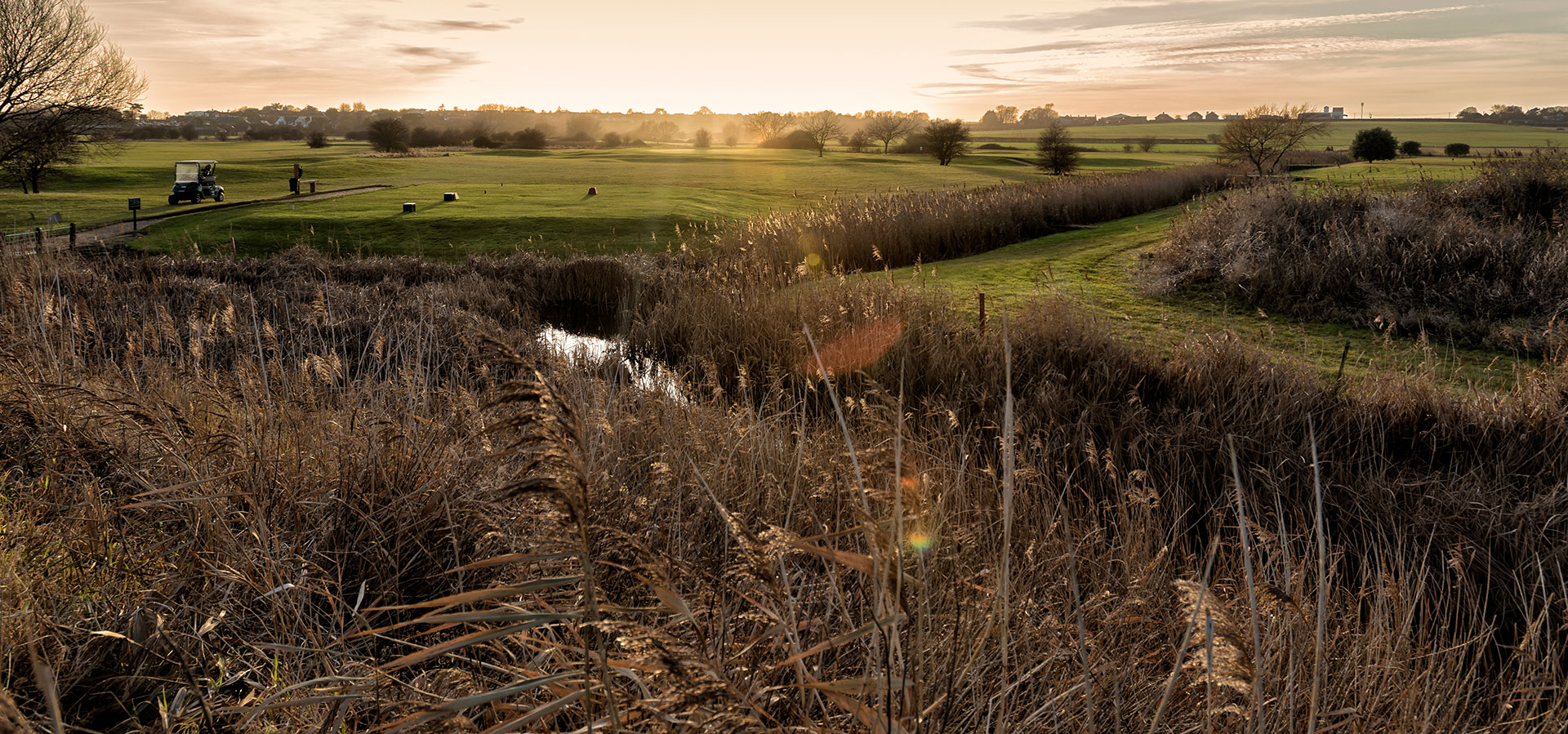
Our two courses range from areas of remnant sand dunes right next to the sea, through to ex marshland with fresh water and brackish ditches. To the East and South there is a dynamic shingle system where the River Deben flows out to sea. Associated saltmarsh to the North abuts the courses and provides ideal habitat for a wide variety of shore birds, waders, ducks and geese.
Being right on the coast means the courses often play host to migrants. Birds are the most obvious, but numerous insects, butterflies and moths make land fall here too.
Even if you are not playing golf there is plenty to see from well placed footpaths.
The Martello and Kingsfleet courses are separated by the Tomline Wall (an inland flood defence with a Permissive Path) and there is a coastal path that borders the area to the South and along the Deben river wall to the North. There is always something to see from these routes . There are four County Wildlife Sites (CWS’s) on or around the courses and the River Deben is especially important being an SSSI, SPA and Ramsar Site in recognition of the numbers of wildfowl and waders that roost, feed and breed here.
The green staff recognise the importance of wildlife on our courses and environmentally sensitive practices are an integral part of their management programme. The Club enjoys a constructive dialogue with The Suffolk Wildlife Trust and RSPB, along with other environmental organisations.
The green staff recognise the importance of wildlife on our courses and environmentally sensitive practices are an integral part of their management programme. The Club enjoys a constructive dialogue with The Suffolk Wildlife Trust and RSPB, along with other environmental organisations.
Little Egrets are now frequently seen feeding in the ditches alongside Grey herons. In summer, Little, Common and Sandwich Terns can sometimes be seen out to sea or occasionally diving over the ditches and ponds on the Martello course.
In spring and autumn, Wheatears are among the many migrant birds that stop off to rest and feed.
Swallows are a regular breeder in the storm shelters on the Kingsfleet course, the birds returning each year to raise their young here on the Suffolk coast.
As would be expected along the coast, Herring, Black-headed and Lesser Black Backed Gulls are regularly seen looking for worms to eat and swooping over or perching on the club house.
Two owl boxes on the Kingsfleet course have provided successful homes for Little Owls, Jackdaws and Kestrel broods. Barn Owls and wintering Short Eared Owls are often seen hunting over rough areas nearby and on the course.
In late spring and summer, Reed and Sedge Warblers that have come all the way from Africa, abound in the reed beds and there are always Cuckoos that follow to take advantage of the nests. A more recent and rarer bird, the Grasshopper Warbler, has been seen and heard regularly on the Tomline Wall.
The Tomline Wall is a good place all year to see Reed Buntings and Linnets. In summer Whitethroats nest in the brambles and recently Nightingales have been singing by the practice ground.
Skylarks were once common nesters on both courses and the Club is managing certain areas to try and encourage this declining species.
The beautiful Sea Holly survives on the course near the Martello tower. There are also many maritime plants on the adjacent shingle beach, including Sea Kale, Sea Pea and Yellow-horned Poppy.
There is a good population of Water Voles. Highly protected, these animals (not rats) have their homes in the many ditch banks on both courses and are often noted by members.
Kingfishers are one of the more spectacular among the 150 bird species recorded on our courses.
Winter flocks of Dark-bellied Brent Geese are to be seen from the Deben river wall and the practice ground often plays host to large flocks of Starlings and occasionally Lapwings and Golden Plovers.
With good management, an initially small group of Southern Marsh Orchids has become an amazing display in late May/June each year.
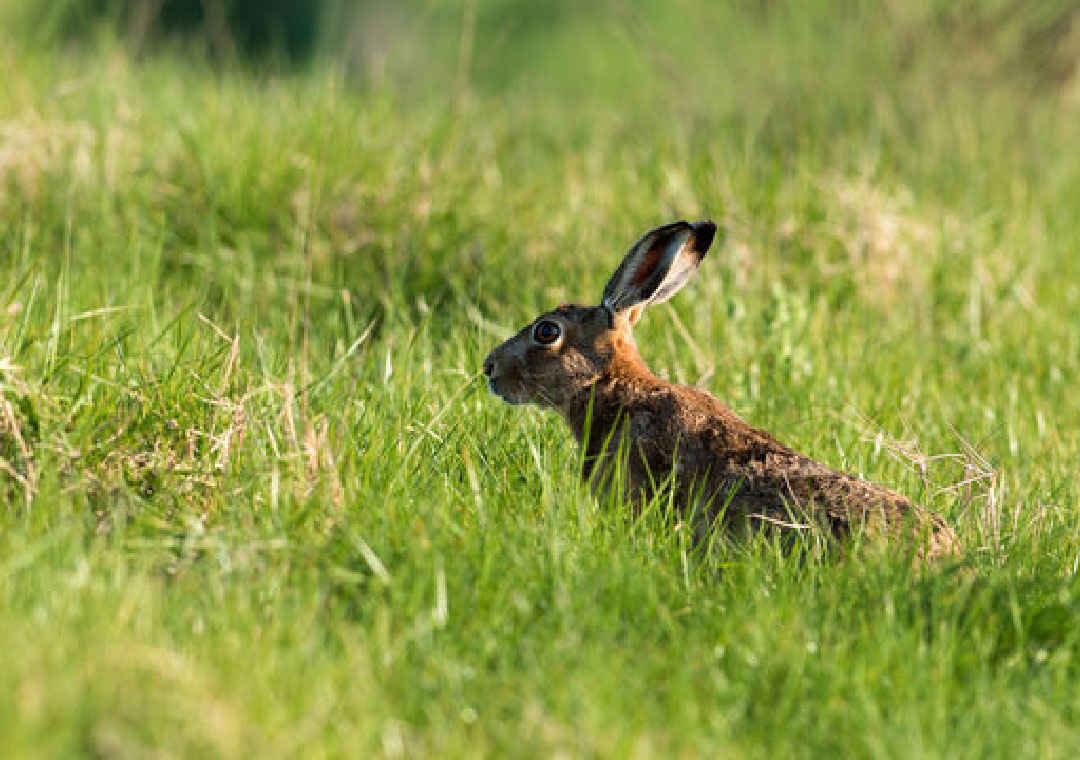
Predators like Stoats and Weasels, along with birds of prey, indicate an adequate food supply. There are good populations of small mammals like Shrews, Mice and Bank and Field Voles to sustain them.
Hawker and Darter Dragonflies as well as Damselflies, are numerous over the ponds in the summer.
The Painted Lady butterflies seen in summer are probably part of the seasonal migration from the Mediterranean. Among the more common butterflies seen are Peacock, Meadow Brown, Gatekeeper and Ringlet.
Grass Snakes and Slow Worms favour the undisturbed grass and reeds to the North of the Martello course.

